This story original appeared in our sister publication, Shop Eat Surf Outdoor.
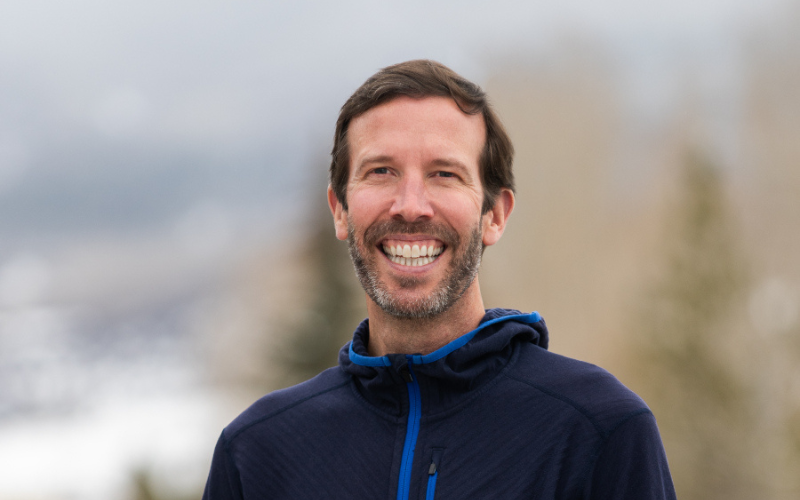
Travis Campbell, owner and CEO of Colorado-based Eagle Creek luggage company, said he initially felt relieved when the Supreme Court ruled on Friday that many of the Trump administration’s new tariffs imposed under emergency measures were done so unlawfully.
“I was happy to see the rule of law somewhat reinstated and a reinforcement of the separation of powers,” Campbell said.
But that relief quickly gave way to anger as his team once again scrambled to understand the tariff landscape, rather than focus on running their business, as President Trump vowed to implement a 10% global tariff on all goods. Through the weekend, the rate increased to 15%.
“I’m frustrated for businesses across the country,” Campbell said from his makeshift office — a truck camper converted into a conference room in Steamboat Springs. “We’ve all gone through pain that was entirely unnecessary.”
After months of navigating what Campbell called an “entirely avoidable” economic crisis, Campbell said his business, which he bought from VF Corp. in 2021 when it was under threat of shutting down, has had to make some hard decisions toward the end of 2025.
The travel gear company reduced its workforce by roughly 30%, slashed R&D spending, postponed product launches and implemented modest price increases the company had hoped to avoid.
The Cost of Uncertainty
Eagle Creek currently employs 23 people globally. While some departures came through natural attrition, roughly half were layoffs.
“Those layoffs were really emotional and frustrating,” Campbell said. “And I’m sure way worse for the people we ended up having to let go.”
In the early days of tariff implementation, Eagle Creek made what Campbell called the “easy” decisions: cutting discretionary marketing spend, pulling back on event sponsorships and delaying fall 2025 price increases. The company absorbed incremental tariff costs through the fall, hoping policy would stabilize.
It didn’t. By late fall, Eagle Creek implemented staff reductions that fundamentally changed how the remaining team operates.
“Our team’s tired and worn down,” Campbell said. “The work hasn’t gone away. There’s fewer people doing it.”
Manufacturing Partners Feel the Squeeze
The impact extended beyond Eagle Creek’s Colorado headquarters. Following last April’s tariff announcement, Campbell had a panicked phone call with a manufacturing partner in Indonesia who feared for his business.
“Those manufacturing partners don’t operate on hefty margins,” Campbell said. “Competition is intense over there. Most of them are operating on very thin margins.” That means those partners aren’t able to absorb the cost of tariffs.
Eagle Creek’s primary Indonesian manufacturer proved invaluable during the crisis, working within tight economic constraints to adjust delivery schedules as tariff rates fluctuated through the year. But Campbell is quick to note that even strong partnerships couldn’t overcome the fundamental problem: tariffs set at levels that functioned more like a global tax than strategic trade policy.
“For those of us that weren’t in China, there really was no incentive to change,” he says. “It just felt like a tax. We weren’t actually trying to create incentives for people to move their manufacturing to the U.S. or Central America.”
Last week, the U.S. negotiated a 19% reciprocal tariff rate with Indonesia, which is higher than the 15% global tariff rate. For now, Campbell has been advised that the 15% rate will likely replace the 19%, and not be in addition to it, but he can’t be absolutely certain.
Wholesale Retreats, Ecommerce Holds Steady
Last year’s uncertainty rippled through Eagle Creek’s sales channels in distinct ways. Wholesale partners, traditionally booking 80% or more of seasonal volume through advance orders, pulled back dramatically. Retailers worried about pricing changes and supply chain disruption, making them reluctant to commit to large pre-book orders.
“The biggest structural change in wholesale was really that reticence to write forward orders,” Campbell said.
On the consumer side, panic buying didn’t materialize in meaningful numbers. Instead, Eagle Creek saw customers become intensely focused on sale windows. Daily baseline sales dropped while promotional peaks became more pronounced — a pattern Campbell interprets as value-seeking behavior in a difficult economy.
Eagle Creek’s direct-to-consumer ecommerce business remained strong throughout 2025, demonstrating that the company’s customers are still travelling and going on adventures.
“It’s been a lifesaver,” Campbell says. “We wouldn’t have survived the tariffs if we didn’t have that level of growth going in our ecomm business.”
The Refund Battle Ahead
Now, in addition to devoting resources toward understanding what rates apply to Eagle Creek, the company’s finance team is also trying to secure refunds for tariffs paid before Friday’s Supreme Court decision. Campbell estimated the company is owed a significant sum, though he hasn’t kept an exact tally as business priorities shifted throughout the year.
The government’s suggestion that processing refunds would be too complicated strikes Campbell as absurd.
“There are very clear precedents where tariffs have been put in place and then reversed, and credits have been given through customs,” he said. “There’s a defined set of rules and processes for making that happen.”
What concerns Campbell most is timing. He’s already heard from one friend running a Seattle-area company who is nearly out of cash.
“If refunds came, he could probably thread the needle and survive,” Campbell said. “But if it drags on for another six months, he’s going to lose his business.”
Campbell believes that small businesses should receive priority treatment in any refund process.
“The refunds matter more to smaller entities than the bigger entities,” he said. “It would be a small gesture to try and get dollars out to small business first, considering the damage that was done.”
Speaking Up When Others Can’t
Campbell acknowledges his unique position as an outspoken critic of current tariff policy. As the owner of Eagle Creek, he can make his own choices about how vocal to be — a luxury not available to executives at larger companies or those with different ownership structures.
“There’s a lot of people who are really uncomfortable speaking up,” he said. “I feel like I have a responsibility to speak more broadly.”
His criticism isn’t anti-tariff on principle.
“I’m 100% in favor of smart strategic tariff management,” Campbell said. “But this just wasn’t even close to an example of that.”
The long-term damage concerns him most. Beyond immediate financial pain, he worries about impacts on innovation, sustainability investments and consumer purchasing power.
“Inflation is up because of it. We’ve taken a bunch of dollars away from consumers through a higher tax effectively, and they’re in a worse position.”
Looking Ahead: Resources and Resilience
For businesses still navigating tariff uncertainty, Campbell recommends two key resources: the Outdoor Industry Association, which has provided trade attorneys and guidance throughout the crisis, and We Pay the Tariffs, an organization currently collecting signatures for a letter demanding quick refund processing.
As Eagle Creek’s team once again works to understand new tariff rates and potential refund processes, Campbell tries to maintain perspective.
“It’s so easy to get caught in the doom and gloom,” he said. “But the outdoors is inherently good. We are all selling products that help people manage stress and anxiety and improve their wellness.”
Still, optimism is hard-won after 10 months of “entirely unnecessary” disruption. Campbell’s immediate focus remains practical: securing refunds, supporting other struggling businesses, and pushing for Congressional action on trade policy.
“This is the window where Congress can step forward,” he said. “They’ve been given this reinforcement of their responsibility around taxation and tariff policy. That might be overly idealistic, but I find that’s the only way I can survive through this — feeling like we’re trying.”